Yamamoto New Scalp Acupuncture for Treating Neurological diseases and Chronic and Acute Pain
Course content
Yamamoto New Scalp Acupuncture (YNSA) is named after the Japanese doctor Dr. Toshikatsu Yamamoto, who developed this micro-acupuncture system in 1973. Today, YNSA is widely used worldwide for acute and chronic pain and for many neurological disorders such as paralysis or in stroke patients.
YNSA works with somatotopes—mappings of body areas onto small areas, primarily located on the head. Palpation diagnostics, including on the neck and abdomen, direct to the points to be needled.
In this workshop, you will learn and thoroughly practice the location and indications of the four different needling groups of YNSA (Basic points, Epsilon points, Sensory points, Brain points) as well Special points like for female hormonal dysfunction.
And you will learn and thoroughly practice where and how to palpate diagnostically, which points to needle.
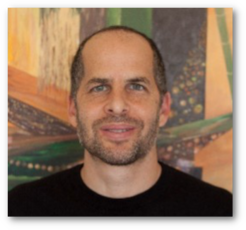
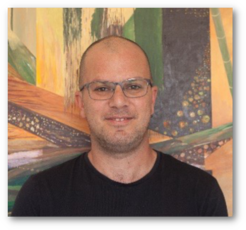
In the online session 14 days ahead (June 14) David Bomzon and Avi Amir will present you all the theoretical contents, so that you can focus on the practical aspects in the live - in person sessions on June 27-28. There David Bomzon and Avi Amir will practice the locations and the needle and palpation techniques in detail with all participants.
Course structure
Day-1 (Online theory: – June 14)
- Introduction to scalp acupuncture in general (history, different methods: Jiao, Zhu and YNSA).
- Introduction to Yamamoto new scalp acupuncture (YNSA), palpation based acupuncture.
basic points – Yin Yang, contraindications, training exercises - Introduction and explanation of the different types of point groups (basic points, brain points, epsilon points and cranial nerve points).
Day-2 (live in person practice session: - June 27)
- Summary of all the theory
- Point location of all the point groups: Basic, brain, sensory- including Yang point locations
- Elbow diagnosis
- Clinical application
- Demonstrations and clinical practice
Day-3 (live in person practice session: - June 28)
- Summary day-2
- Point location and practice the use of: Yipsilon, cranial points, I somatotopy, J&K somatotopy
- Neck and Abdominal diagnosis, location and practice
- Clinical applications
- Demonstration and practice
- Course summary
Course outcome
At the end of the workshop you will have an understanding of YNSA and the skills to apply YNSA to patients with acute or chronic pain or a wide variety of neurological disease such as:
- Symptoms of neurological disturbances which stem from various diseases.
- Conditions of various functional disturbances.
- Chronic or acute pain (back pain, pain in the legs, hands, arms, neck etc).
- Stroke
- Paralysis
- Diseases which cause pain.
- Difficulty in mobility and limitation in movement.
- Sensation problems.
- Acute allergy attacks.
- Support of fertility and hormonal imbalance in women; gynecological disorders.
- Psychological disorders, such as anxiety, depression, OCD, ADD, HDHD, insomnia.
| Dozenten | David Bomzon Avi Amir |
| Termin online | 14. Juni 2026 10-13 und 14-17:30 Uhr |
| Termin Präsenz | 27.-28. Juni 2026 Sa 10-18 | So 9-16 Uhr |
| Unterrichtsstunden | 24 UE (=Credits) |
| Ort | Input e. V. | Sandstr. 41 | 80335 München |
| Kursgebühr | Bei Anmeldung bis zum 14. April 2026: € 548 | AGTCM Mitglieder: € 438 Bei späterer Anmeldung: € 618 | AGTCM Mitglieder € 494 |